The Relationship That Lasts a Lifetime

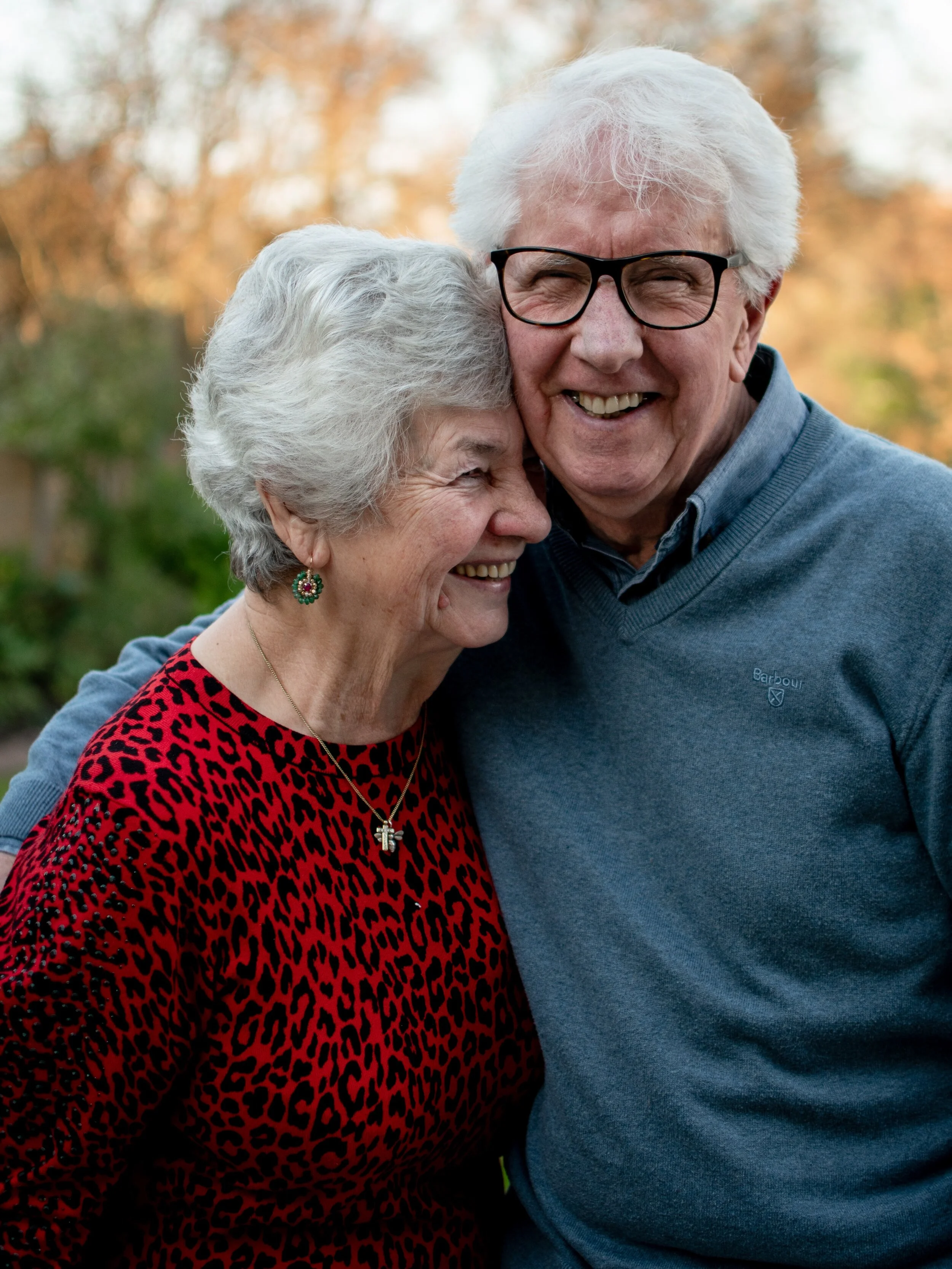
Image created by author using AI

What Aging Has Taught Me About Trusting Myself

We spend so much time talking about finding the right partner, maintaining a marriage, healing after a breakup, or improving communication.

But there is one relationship that outlasts them all:

The relationship with ourselves.

Long after children grow up.

Long after careers change.

Long after relationships begin or end.

We are still there.

How the Relationship Changes With Age

In youth, many of us seek approval. Some of us continue chasing that need well into our adult years.

We want to be liked.

Chosen.

Validated.

Enough.

As we age, something interesting begins to happen.

We stop asking:

“Do they like me?”

And start asking:

“Do I like the life I am creating?”

That shift changes everything.

We Stop Fighting Ourselves

Perhaps one of the greatest gifts of aging is realizing that perfection was never the goal.

We become more forgiving of our mistakes.

We stop replaying every awkward conversation.

We stop trying to earn our worth through productivity.

We begin extending the same compassion to ourselves that we so freely offer others.

We Learn to Trust Ourselves

Confidence isn’t believing that nothing bad will happen.

Confidence is knowing that if it does, you’ll find a way through it.

Every challenge survived becomes evidence.

Every heartbreak.

Every disappointment.

Every reinvention.

The relationship with yourself deepens because you’ve proven that you can be trusted.

You begin to feel something many people spend years searching for:

Pride in who you have become. Not ego, pride.

The Older I Get, the Less Power Anxiety Has

Yesterday I was a guest on a podcast.

Years ago, I definitely would have talked myself out of it and found an excuse to cancel because of my anxiety.

I would have worried about saying the wrong thing, sounding foolish, or not being prepared enough. I might have convinced myself that someone else was more qualified or that I wasn’t quite ready.

But something has changed over the years.

The anxiety still showed up. It knocked on the door just like it always has.

The difference is that I no longer allow it to make my decisions.

Fear may still come along for the ride, but it no longer gets to drive.

Instead of allowing fear to decide for me, I showed up anyway.

And to my surprise, I loved every minute of it. There was zero preparation, all spontaneity, and it was so much fun.

As I reflected afterward, I realized the podcast wasn’t really the story.

The story was the relationship I have built with myself. Don’t get me wrong,

Andrew J. DiMeo, Sr., Ph.D.

was a wonderful host and put me at ease.

I have worked very hard over the last few years to keep the promises I make to myself.

Years of surviving things I once thought would break me.

Years of discovering that confidence isn’t the absence of fear. It is the willingness to move forward despite it.

One of the unexpected gifts of aging is that I have become someone I trust.

Not because I always get things right.

Not because I never feel nervous.

But because I know I can handle discomfort without running from it.

And I love the feeling on the other side. The feeling of accomplishment.

Final Thoughts

Many people dread aging.

I can certainly feel some of its effects physically. We are human.

But emotionally, mentally, and spiritually, I have never felt stronger.

The relationship I have with myself today looks very different than it did twenty years ago. In fact, it looks different than it did five years ago. We get to constantly evolve. And as long as we stay curious and open to learning, we can keep becoming more awesome. Isn’t that exciting?

I have been through heartbreak, disappointment, reinvention, uncertainty, and more than a few wrong turns.

But somewhere along the way, something changed.

I stopped trying to become someone else and started becoming a better friend to myself.

During the podcast, Andrew and I talked about authenticity and ambition.

I stepped into my authenticity years ago, but with age I have become more confident in it.

I spend less time worrying about what others think and more time pursuing what matters to me.

The anxiety is still there sometimes.

The difference is that it no longer decides what I do.

As long as I am helping people, making the world a little better, and living in alignment with my values, I know I am moving in the right direction.

And honestly, I think that may be one of the best parts of growing older.

Thank you for taking the time to read this. What is your insight or perspective on aging? Please comment. I would love to hear from you. Stay tuned for part two where it gets really juicy lol.

Peace & Light,

Libby

Stress Is Not an Emotion: Why we use stress as an umbrella for what we’re really feeling

Envato Elements Purchased Image License 9CNG2RWZX7

Envato Elements Purchased Image License 9CNG2RWZX7

Stress is not an emotion.

If that statement irritates you, you’re not alone.

After all, people say they feel stressed every day. I know I do.

But lately I’ve been wondering if stress is often the label we apply to a collection of emotions we haven’t fully identified yet. So stick around…

When “How Are You?” Is More Than A Greeting

When my daughter was accepted to the University of Kentucky, we attended an orientation for incoming students. During one of the sessions, several seniors invited a handful of freshmen onto the stage. My daughter happened to be one of them.

The students were asked a simple but powerful question:

“What is one text your parents send that makes you feel loved and supported?”

As the microphone moved from student to student, the answers varied. Some mentioned words of encouragement. Others talked about their parents checking in before exams or important events.

When the microphone reached my daughter, she said:

“My mom asks how I am. And I know she really wants to know.”

That answer stayed with me.

When was the last time someone asked how you were and genuinely wanted to know?

Not as a greeting.

Not out of habit.

Not because it felt polite.

But because they were truly interested in hearing the answer.

Most of us ask, “How are you?” dozens of times each week. Yet many of our conversations follow a predictable pattern.

“How have you been?”

“Good.”

“Busy.”

“Tired.”

“Stressed.”

And then we move on.

Lately, I’ve become fascinated by that last answer.

Stressed.

The Emotional Catch-All Called Stress

It’s one of the most common responses I hear, especially in today’s world.

And to be fair, there is no shortage of things that can create stress. Financial strain. Family struggles. Divorce. Work pressure. Health concerns. Relationship challenges. The constant demands of everyday life.

But I often wonder if stress has become an umbrella word for emotions we haven’t fully identified.

When someone says they are stressed, what do they really mean?

Are they overwhelmed?

Scared?

Lonely?

Heartbroken?

Feeling abandoned?

Grieving?

Angry?

Worried about the future?

Sometimes people use the word stress because they don’t want to burden others with the full story. Giving the short version feels easier.

Other times, I think they genuinely haven’t stopped long enough to examine what is happening beneath the surface.

The truth is that emotional experiences are often more complicated than we realize.

What Might Be Hiding Beneath Stress?

Imagine asking a friend how they are and hearing the familiar response:

“Honestly? I’ve been really stressed.”

Most conversations end there.

“Yeah, me too.”

“Life is crazy.”

“Hang in there.”

But what if we became a little more curious?

“What are you stressed about?”

Now the conversation changes.

Maybe they say:

“My daughter hasn’t returned my calls in weeks.”

Suddenly we realize the issue may not be stress at all.

It might be worry.

Fear.

Sadness.

Or even grief.

The more specific we become about what we are feeling, the better we understand ourselves. And the better we understand ourselves, the better we can communicate with the people we care about.

The Power Of One More Question

I also wonder if part of the problem is that many people don’t believe anyone truly wants to know how they are doing.

We’ve become so accustomed to quick greetings and surface-level conversations that genuine curiosity sometimes feels rare.

Yet feeling heard is one of the most powerful gifts we can give another person.

Sometimes people don’t need advice.

They don’t need solutions.

They don’t need someone to immediately compare experiences.

They simply need someone willing to stay in the conversation long enough to understand what is really going on.

One thoughtful question can transform a casual exchange into a meaningful conversation.

Why Connection Matters

Curiosity creates connection.

When people feel safe enough to share what is really happening beneath the surface, walls begin to come down. Conversations become more meaningful. Relationships become stronger.

In a world that often feels rushed, distracted, and disconnected, being truly heard can be incredibly comforting.

Connection is something many of us crave, whether we realize it or not.

We want to know that someone cares enough to stay curious about our experience rather than settling for the easy answer.

Sometimes that simple act of curiosity can make another person feel seen, understood, and valued.

Final Thoughts

The next time someone asks how you are, challenge yourself to go a little deeper than “good,” “busy,” or “stressed.”

And when someone you care about says they are stressed, consider asking one more question.

You may discover that what they are really feeling is fear, grief, loneliness, disappointment, overwhelm, or uncertainty.

My daughter taught me that years ago with a simple answer at a college orientation. People feel loved when they know someone genuinely wants to know how they are doing.

She didn’t say she felt loved because I always had the right answers.

She didn’t say she felt loved because I solved her problems.

She said she felt loved because I asked how she was and genuinely wanted to know.

Sometimes the most meaningful thing we can offer another person isn’t advice or solutions.

It’s our attention.

It’s our curiosity.

It’s our willingness to listen long enough to hear the story beneath the word “stressed.”

And sometimes, simply knowing someone cares is enough to lighten some of that heaviness. We may not be able to solve another person’s problems, but we can remind them they don’t have to carry them alone.

Thank you for taking the time to read this. How are you today? I truly want to know and would love for you to comment and let me know how you are feeling or how your day is going.

Peace & Light,

Libby

Why Patience Is One of the Most Important Relationship Skills

Image created by Author using AI

The older I get, the more I realize that patience isn’t about tolerating people. It’s about accepting that not everything has to be done my way.

One of the biggest lessons I have learned about relationships is that patience is not about never getting irritated.

It is about deciding what is worth your emotional energy.

Every person has habits that can be annoying. Every relationship has moments of friction. If we react to every minor frustration, we spend our lives in a constant state of aggravation.

Emotional maturity teaches us to ask a different question:

Is this a genuine problem, or is this simply a moment of annoyance that will pass?

The answer matters because relationships are often shaped less by the big conflicts and more by the thousands of small moments in between.

It is funny. My mom has always said she struggles with patience, and yet her relationship with my dad was epic. They say the apple doesn’t fall far from the tree.

I don’t consider patience to be my strongest quality. However, as my awareness grows, so too does my patience.

I am becoming better at pausing before reacting and asking myself a simple question:

Is this really worth getting upset over?

The older I get, the more I realize patience is not something we either have or don’t have.

It is a skill that grows alongside self-awareness.

Awareness Creates Patience

Living with someone certainly tests a person’s patience.

Take the dishwasher, for example. One person will load it like a skilled Scandinavian engineer, maximizing every inch of available space and somehow fitting in three days’ worth of dishes. The other person loads it haphazardly, leaving half the dishes on the counter or in the sink for the next load.

To be fair, if both people are loading the dishwasher at all, you are already ahead of the game. Sometimes one person simply leaves everything for the other person to clean.

This is what I have learned from living with someone over the last four years.

There are certain habits he has that drive me absolutely crazy. But to his defense, if he doesn’t know something is bothering me, how can he possibly fix it?

I have also learned that he is incredibly helpful and good at many things. That realization has taught me to pick my battles wisely so that every conversation isn’t centered around what annoys me.

The Coffee Cup Lesson

One of those habits is that he reuses his coffee cup day after day without washing it.

Completely disgusting.

At least to me.

Eventually, I realized I had to let that one go because I am not the one drinking from the cup.

Where he left the cup, however, was a different story.

That affected our shared space, so I spoke up. After relocating the cup to its proper home enough times, he finally caught on and now honors that boundary.

What surprised me was realizing that the coffee cup was never really the issue.

The issue was that I wanted things done my way.

Once I accepted that his coffee cup had absolutely no impact on my quality of life, I was able to release the irritation and move on.

The thing about patience is that it begins with awareness.

Before we react, we have to notice what is happening inside of us.

Is my nervous system responding because something genuinely important is happening?

Or am I annoyed because the sound of a fork scraping a skillet instead of using a perfectly lovely spatula makes me want to launch myself through a closed window?

One situation may require a conversation.

The other may require a deep breath and a reminder that nobody has ever died from improper utensil selection.

Patience asks us to slow down long enough to tell the difference.

Acceptance Versus Self-Abandonment

I realize I am far from perfect, and he is very patient with me as well.

When two people come together, they bring all of their habits with them — the good, the bad, and the slightly baffling.

The beautiful part of a healthy relationship is not changing the other person. It is helping each other grow.

Not because one person is right and the other is wrong, but because both people are willing to level up together.

It is also essential not to abandon yourself in the process of blending your life with someone else’s.

This is where prioritizing and picking your battles becomes important.

How we bring up concerns matters just as much as the concern itself.

Using “I” statements, assuming positive intent, and giving the other person the benefit of the doubt often creates far better outcomes than leading with criticism.

After all, if we never speak up, we cannot find a resolution.

And our homes should be our sanctuary.

Compromise is equally important.

Every person enters a relationship with different preferences, routines, and expectations.

No one is perfect.

Realizing this has allowed me to ground myself and become more patient.

I am learning to overlook things that once irritated me. I take a deep breath, shrug my shoulders, and remind myself that this is simply life.

Now, if the person you live with blatantly disrespects boundaries that you have clearly communicated and established to protect your peace, that is a different conversation entirely.

Patience should never require self-abandonment.

There are things we should let go.

There are things we should address.

Wisdom is learning the difference.

Final Thoughts

The older I get, the less interested I am in correcting every annoyance, winning every disagreement, or proving that my way is the better way.

Patience has taught me that relationships are not built through perfection.

They are built through grace.

Through the thousands of small moments where we choose understanding over frustration, compromise over stubbornness, and peace over being right.

I’ve learned that peace comes from knowing the difference between what needs to be discussed and what needs to be accepted.

Not every irritation requires a conversation.

But not every problem should be ignored either.

Wisdom is learning the difference.

I appreciate you taking the time to read this. If you enjoyed it I hope you will share on your social media. The world can definitely use a bit more patience. 😊

How Psychological Abuse Slowly Steals Your Sense of Self

Envato Elements Purchased Image License WLM5P2RG9Y

Rarely does anyone walk into a coaching session and tell me they have been emotionally or psychologically abused. They come to me saying they feel lost, confused, anxious, disconnected from themselves, or unable to explain why they are unhappy.

Some may shrug their shoulders and casually admit that their spouse puts them down, dismisses their feelings, or undermines their opinions, but they never viewed it as abuse.

As we peel back the layers and I begin asking more questions, I often see a light go on. About that same time, their eyes well with tears.

Suddenly they begin connecting dots they never connected before. All they knew was there was a discomfort, maybe even a misery, but they couldn’t quite put their finger on it.

And if their partner was particularly skilled at manipulation, they likely learned long ago to doubt their own reality.

When they finally tried to express how they felt, they were often met with questions like:

“Give me an example.”

“What exactly did I do?”

“When did that happen?”

Unable to point to one specific event, they would leave the conversation feeling defeated.

“See?” their partner would reply. “I’m not doing anything to you.”

Psychological abuse is rarely obvious in the beginning.

There are no bruises to point to. No dramatic event that suddenly reveals what is happening.

Instead, it often appears in small moments that are easy to dismiss individually but devastating when experienced repeatedly over time.

Quiet Signs

  • They undermine you in subtle ways that add up over time. It may begin with an eye roll, a sarcastic comment, or an “Oh, this again?” whenever you try to express yourself.

  • They withhold affection when you need it most. They may frame it as refusing to encourage your “drama” or “overreaction,” but affection becomes something they control rather than freely give.

  • They subtly isolate you. They make comments about your friends and family: “You’re different when you’re around them.” “They aren’t genuine people.” “Why can’t we just stay home and enjoy each other?” At first it sounds like love. Over time it creates distance between you and the people who support you.

  • They punish your kindness. No matter how hard you try, nothing seems good enough. The more effort you make, the more criticism, withdrawal, or rejection you receive in return.

  • They gaslight you until you begin questioning your own memory and perception. “That’s not what I said.” “You’re putting words in my mouth.” “That’s not what happened.” “You’re overreacting.”

  • They play the victim. Somehow every conflict becomes your fault. To outsiders they appear reasonable, charming, and misunderstood while you begin to feel like the problem.

The Damage You Cannot See

Over time, psychological abuse doesn’t just damage the relationship. It damages your relationship with yourself.

You begin to:

  • Stop trusting your instincts.

  • Second-guess your memories.

  • Hesitate before sharing your opinions.

  • Apologize for things that are not your fault.

Slowly, you become smaller, quieter, and less certain of who you are.

Most of my clients do not come to me saying they have been psychologically abused. They come to me saying they feel lost.

They say they don’t feel like themselves anymore.

They describe a vague emptiness, a sadness, or a sense that something is missing.

What is missing is often the trust they once had in themselves.

And that is exactly what I love helping them rebuild.

I love helping them find their way back to themselves.

Awareness Is Where We Rise

Everyone has two choices when they find themselves stuck in pain.

They can remain in the fire and continue getting burned, or they can rise from the ashes.

When I finally became aware of the manipulation in my own relationship, I moved through stages that felt remarkably similar to grief. At first, I was sad because I missed my partner. Then I was angry.

I couldn’t understand how someone I loved could make me feel so confused, so small, and so disconnected from myself. I wondered how the person I thought would protect me had become the source of so much pain.

After that came loneliness.

I built walls around my heart and refused to trust anyone.

But slowly, as time passed, I began rebuilding something even more important than trust in other people. I began rebuilding trust in myself.

My confidence returned.

My intuition became stronger.

The walls gradually came down.

Today, I see those signs of manipulation clearly. I no longer mistake control for love, criticism for concern, or confusion for connection. The beautiful thing about awareness is that once you see the pattern, you cannot unsee it.

You begin recognizing manipulation where you once saw love.

You begin recognizing control where you once saw protection.

You begin recognizing criticism where you once saw concern.

Most importantly, you begin trusting yourself again.

That is the moment healing truly begins.

Final Thoughts

One of the questions I get asked most often is, “How long does it take to heal?”

Whether someone is recovering from psychological abuse, heartbreak, trauma, or PTSD, my answer is always the same: it depends.

Healing is deeply personal. There is no universal timeline and no finish line that looks the same for everyone.

Some people spend years stuck in the awareness stage. They recognize what happened but continue revisiting the pain without taking meaningful steps toward healing. Others fully commit to the process. They show up for themselves. They do the difficult inner work. They complete their coaching exercises, challenge old beliefs, practice healthier boundaries, and slowly rebuild trust in themselves.

Those are often the people I see make progress more quickly — not because they are stronger and not because they suffered less, but because healing requires participation.

Awareness is the first step, but awareness alone is not enough. Once we recognize the patterns that hurt us, we must also be willing to create new patterns that support us.

The good news is that healing is absolutely possible.

I have seen people who could barely trust themselves learn to trust their intuition again. I have seen people who felt broken rediscover their confidence. I have seen people who believed they would never love again build healthy, fulfilling relationships.

Healing may not happen overnight — in fact it never does, but every small step matters.

And sometimes rising from the ashes does not mean becoming someone new. Sometimes it simply means returning to who you were before someone convinced you that you were not enough. But it truly is a cool turning point in life because you get to choose how to write the next chapter.

Peace & Light,

Libby
Trauma Makes Red Flags Feel Like Chemistry

Envato Elements Purchased Image License WHDL8GNXPZ

Trauma Makes Red Flags Feel Like Chemistry

Trauma, whether lingering from childhood or carried from painful adult relationships, can make red flags difficult to recognize.

What might feel alarming or unhealthy to someone else can feel exciting, intense, or even comforting to a person whose nervous system has become accustomed to chaos.

The narcissistic love bombing feels passionate.
The inconsistency feels intoxicating.
The emotional highs and lows feel like chemistry.

But often, it is not chemistry at all.
It is familiarity.

Someone in the early stages of healing may become deeply attached to people who trigger emotional wounds because trauma can create co-dependent patterns and addictive attachment styles.

That is also why many unhealed people continue to attract unhealthy relationships and repeat self-limiting relationship patterns. Until we become aware of what feels familiar versus what is actually healthy, we often continue choosing relationships that reinforce old wounds instead of helping us heal them.

When chaos has been normalized, peace can feel foreign.

Chaos Feels Familiar

To someone who experienced childhood abuse, emotional neglect, or a toxic relationship, chaos often feels strangely familiar and even comfortable.

I once dated a man who had been abused as a child. He never truly learned how to love himself. No matter how much love I gave him, it was never enough to fill the void he carried inside.

He would create conflict when things became too peaceful.
He would pick fights during moments of closeness because calmness felt unsafe to him.

Chaos was what he understood.
Love without struggle felt uncomfortable.

Eventually, I had to leave the relationship because I realized I was slowly abandoning myself trying to save someone who was not ready to heal.

That relationship taught me something important:

Familiar does not always mean safe.

Healing Changes What You’re Attracted To

Healing trauma is a lot like healing grief.

It takes time.
It comes in waves.
And it requires patience, awareness, and compassion toward yourself.

Being in a relationship while healing can absolutely be beautiful. But the key is choosing someone emotionally safe — someone who supports your healing instead of creating more chaos or constantly dysregulating your nervous system.

Ironically, this kind of relationship may initially feel “boring” to someone used to emotional intensity.

But in reality, it is not boring at all.

It is calm.
It is consistency.
It is emotional safety.

And for many people, that kind of love is something entirely new.

Final Thoughts

Everyone deserves a healthy, loving, emotionally safe relationship. But perhaps especially those who have spent years surviving unhealthy ones.

Healing does not mean you become perfect. It means you become aware.
Aware of your patterns.
Aware of your triggers.
Aware of the difference between chaos and connection.

The beautiful thing about healing is that eventually your nervous system begins to stop craving survival and starts craving peace instead.

And that changes everything.

If you are working to break unhealthy relationship patterns, heal emotional wounds, or create healthier connections, know that change is possible. Awareness is often the first step toward choosing differently — and ultimately creating the kind of love that feels safe, steady, and genuine.

If this resonated with you, and you are navigating healing, relationship patterns, or emotional growth, this is the kind of work I help people through in my coaching practice every day.

Peace & Light,

Libby

When Love Feels Lonely

Envato Elements Purchased Image License 8LK5TZWPQ3

Loneliness and Emotional Starvation

Loneliness and solitude are two very different things. And loneliness within a relationship causes emotional starvation.

I have experienced loneliness in a relationship. It is cold and miserable.

You eat in silence. You watch television without laughing or commenting to one another. Or worse, you slowly begin retreating into separate rooms and separate lives.

If you do occasionally go out to eat, you don’t talk much in the car because you want to save the minimal conversation you still have so it appears to others that you actually communicate.

Yes, I lived this.

We even joked about it sometimes. One of us would begin sharing something about our day in the car, and I would quickly say, “Oooh, wait — save that for the restaurant so people think we have things to talk about.”

True story.

The truth is, it wasn’t funny at all.

We had reached a point in our marriage where we had very little in common intellectually. He worked in finance, and if he talked about that, I was rarely interested. And he didn’t care much about my yoga classes, writing, or hikes.

Slowly, the distance between us grew wider.

Humans Are Wired for Connection

Humans are wired for connection.

Physical intimacy and connection might sustain a couple for a while, but without emotional connection, the couple will inevitably grow apart. Emotional neglect leaves us open and vulnerable.

And here is the uncomfortable truth most people do not talk about honestly: most emotional affairs do not begin with someone intentionally looking to betray their partner.

They begin with a conversation.

Feeling seen.
Feeling heard.
Feeling interesting again.
Feeling understood.

Sometimes it is simply two people getting to know each other and taking a genuine interest in each other’s lives. Time passes, and eventually a bit of flirting may enter the conversation. Suddenly, someone else is meeting emotional needs that have gone untouched for years.

And the loneliness at home becomes even more noticeable.

This does not excuse betrayal or justify crossing boundaries. Emotional affairs can be deeply painful and destructive. But if we are honest, many of them begin long before the flirting starts. They begin in emotional disconnection, loneliness, neglect, and the slow erosion of intimacy within the relationship itself.

Awareness Matters

If you find yourself constantly messaging someone outside of your relationship while feeling lonely at home, pause for a moment.

Be honest with yourself about what you are truly seeking.

Attention?
Understanding?
Emotional safety?
Connection?

Awareness matters because emotional affairs rarely happen overnight. They happen slowly, quietly, and often innocently at first.

Instead of continuing down that path, try turning toward your partner before completely turning away from them. They are likely lonely too.

Start talking again.

Ask questions. Share stories. Take an interest in each other’s inner world again. Sometimes couples become so consumed with responsibilities and routine that they stop being curious about one another altogether.

Maybe it means finding conversation prompts online. Maybe it means taking a class together, starting a hobby together, going on walks, or simply creating intentional time without phones and distractions.

Connection rarely rebuilds itself accidentally.

And if the emotional distance feels too large to navigate alone, consider relationship coaching before seeking emotional intimacy outside of the relationship. Sometimes couples do not need to end their relationship — they simply need help finding their way back to each other.

Final Thoughts

Long-term love is not sustained by passion alone. It is sustained by friendship, emotional safety, curiosity, shared experiences, and the feeling that someone still sees you after all the years have passed.

As relationships mature, physical intimacy may ebb and flow through different seasons of life. But emotional and intellectual intimacy are what sustain connection long after the initial chemistry settles into routine.

Emotional intimacy allows each person to feel seen, appreciated, accepted, and understood — all things that are deeply vital to our emotional well-being.

Perhaps that is why loneliness inside a relationship feels so painful. It is not simply the absence of conversation or affection. It is the absence of connection itself.

Thanks so much for taking the time to read this. I hope you are in a healthy relationship that is thriving, or enjoying being single.

Peace & Light,

Libby

People Don't Expect Perfection - They Remember How You Show Up

Aspen loves her monthly box which has a very fun and unique theme. (it now comes in a bag for shipping, but it is the same high quality products.)

In an increasingly automated world, great customer service matters more than ever.

Aspen's monthly BARK box. Each month has a fun theme. She loves it! (They now use a bag for shipping rather than a box, but same great products)

Customer service can make or break an experience. 

Great service builds loyalty. It keeps you coming back, confident in your choice. 

Poor service? It leaves you frustrated - maybe willing to give one more chance… or maybe done for good.

And these days, with so many options at our fingertips, customer service isn't just important - it's everything.

There's nothing more frustrating than calling a company, navigating endless prompts, and never actually reaching a human. Gone are the days when someone simply picks up on the other end.

That said, I will admit - the callback option is a nice improvement.

I've been very pleased with Amazon Prime. I appreciate the ease of returns, the reliability, and of course, the speed of delivery. (I have no affiliation - just a satisfied customer.)

But the story I really want to share today is about a much smaller company that truly impressed me.

I'm not even sure how I first came across them - likely through social media - but the company is called BARK. As you might imagine, they specialize in dog products: treats, toys, food, dental items - and now even a first-class airline where you can travel with your furry friend.

They offer monthly subscription boxes, which I don't typically gravitate toward. But at the time, Aspen - my puppy - was tearing through every toy I brought home with those sharp little teeth.

BARK offered customizable packages, so I chose the large-breed, aggressive chewer option with treats. Each month, Aspen receives two bags of treats and two toys for around $29 - which I've found to be very reasonable.

So what sets them apart?

Customer service.

I live in a condominium where packages are usually delivered to a parcel room, though occasionally they're left at the front door. One month, Aspen's box never arrived. I reached out to BARK, and without hesitation, they apologized and immediately sent a replacement.

Their packaging is quite recognizable, and with so many dog owners in my building, I suspect it may have been taken. But what stood out is how they handled it - no questions, no hassle, just action. They also began sending shipping notifications so I'd know exactly when to expect delivery.

They also regularly send surveys asking for feedback - for both the customer and the dog, which I think is such a thoughtful touch.

I've typically given positive reviews, but recently I mentioned that the toys felt a bit too hard and Aspen was losing interest quickly.

Within an hour, I received a response.

They apologized and offered to send a softer, plush toy to see if it would be a better fit. They also let me know that if Aspen preferred it, they could customize future boxes accordingly.

Five days later, a plush dragon arrived.

Aspen loves it.

Aspen with her BARK dragon—blurry because she was so excited and shaking it all around.

I let BARK know how happy she was and asked if it was too late to adjust her upcoming box. Their response? Not at all - they were happy to make the change and simply glad Aspen was enjoying her new toy.

This is a company that goes above and beyond.

And that's exactly what creates not just satisfied customers - but loyal ones.

Final Thoughts

In a world where automation is replacing human interaction and convenience often outweighs connection, it's easy for companies to forget what truly matters.

People remember how you make them feel.

They remember when they're heard. 

When they're valued. 

When someone takes the time to go the extra step.

Exceptional customer service isn't about perfection - it's about presence. It's about responsiveness, care, and a genuine desire to make things right.

Because at the end of the day, products can be replicated.

But how a company shows up for its customers?

That's what sets it apart.

Interestingly, the same principles apply in our relationships - people don't expect perfection, but they do remember how we show up and how we make the other person feel.

Thank you for taking the time to read this. Please comment and share your customer service stories either good or nightmares. 

Peace & Light,

Libby

You Don't Miss Her - You Miss Who You Were With Her

Envat Elements Purchased Image License D9NP6YQFXA


You think you still miss her.
 
But in reality, you miss the idea of her… 
the memories… 
and most of all, how you felt when you were with her.

You laughed easier with her. 
You showed up differently. 
She brought out a confidence in you that you didn’t even realize you had.

And for the first time in a long time, 
you believed… this could be it.

Now she’s gone. 
And it feels like that version of your life is gone too.

But is it?

The Mind Keeps Replaying Every Scene

You go over it all — again and again.

What could I have done better? 
Did she really understand how much I cared? 
Did I make her enough of a priority?

Your mind searches for answers as if one more thought might change the outcome.

But it won’t.

Reflection is healthy. Ownership is powerful. 
Yes — look inward and get honest about where you could have shown up differently.

And then… let it go.

Because staying stuck in the past doesn’t rewrite the story — 
it just keeps you from creating a new one.

Missing a Person vs. Missing a Feeling

It’s natural to grieve the loss of a relationship. 
You don’t just lose a person — you lose routines, connection, and shared moments.

But here’s the truth most people miss:

Missing her and missing how you felt with her are not the same thing.

Missing a person fades over time. 
Missing a feeling… that’s what lingers.

The good news?

Feelings can be created again.

If you miss connection, laughter, companionship — 
those experiences aren’t tied to one person.

They’re part of you. 
They can exist again, in different ways, with different people.

That doesn’t mean rushing into something serious. 
It means allowing yourself to live again.

To go out. 
To connect. 
To enjoy simple moments without constantly measuring them against the past.

Because the life you imagined with her? 
It wasn’t just about her.

It was about your capacity to love, to show up, to feel deeply.

And that hasn’t gone anywhere.

But here’s something to consider…

While you’re sitting in the past, 
replaying what was, 
questioning what could have been…

There may be someone out there — 
ready for the version of you who has done the work, 
who has grown, 
who knows how to show up even better this time.

Someone who doesn’t need you to be perfect — 
just present.

But they won’t wait forever.

At some point, you have to decide — 
are you going to stay attached to a memory… 
or open yourself up to what’s still possible?

Experts Share Relationship-Saving Advice on How to Live Peacefully With Your Messy Partner

Blending homes in a relationship can seem complicated and cause tension. I believe it takes a lot of patience, respect, compromise, and commitment.

Envato Elements Purchased Image license F2WCGJTY5A

Please click this link to read Redfin’s blog where I was featured as a relationship coach. I hope you find it helpful! How to Live Peacefully with a Messy Partner.


Peace & Light,

LIbby


How to Channel Into Abundance Through Alignment with Your Authentic Purpose

How to Channel Into Abundance Through Alignment with Your Authentic Purpose

Quiet your inner critic as well as all the chaos of the external world. Awaken and align with your authentic purpose. This is how you will tune into the miracles around you and attract abundance.

Redefining Love After Divorce; Happily Ever After...Separately

Redefining Love After Divorce; Happily Ever After...Separately

Divorce does not have to be messy and ugly. You do not need to harbor resentment. Choose to redefine love and you can all live happily ever after.

What is Love? The Ingredients for a Happy Healthy Relationship

What is Love? The Ingredients for a Happy Healthy Relationship

True love will bring out the best in you and make you want to be a better person. It will elevate you and fill you will with energy. It is worth fighting for and working through difficult times.

Tools For Reducing Anxiety From My Latest Workshop

Tools For Reducing Anxiety From My Latest Workshop

When we activate the parasympathetic nervous system through yoga and breath work we reduce blood pressure and return to a calm natural state. When we are in the fight or flight state our sympathetic nervous system is activated and our thoughts are often distorted. Remember to pause and breathe. Respond rather than reacting. Use these tools to reduce anxiety.

You are the Divine Creator of Your Life; Turn Inward for All the Answers You Seek

You are the Divine Creator of Your Life; Turn Inward for All the Answers You Seek

Turn inward and trust your intuition. All of the answers, all that you seek, all that you need is already within you. Tune out the chaos of the external world so that you can see clearly the path intended for you.

Recognizing Self-Sabotaging Behavior and How to Turn it Into Self-Love to Manifest Abundance

Recognizing Self-Sabotaging Behavior and How to Turn it Into Self-Love to Manifest Abundance

Recognizing self-sabotaging behavior allows you to stop repeating the pattern, overcome the self limiting beliefs that are holding you back from accomplishing your dreams, and living the life you love.

Reduce Anxiety by Stepping Out of Your Thinking Mind and into Your Feeling Body

Reduce Anxiety by Stepping Out of Your Thinking Mind and into Your Feeling Body

One way to reduce anxiety is to get out of our own way. Sometimes we need to get out of our thinking minds and into our feeling bodies. Stop thinking for a few minutes and just breathe. Re-connect body, mind, and soul.